Hello Friends and Family. Here at the vineyard, construction continues. The production facility is coming down the home stretch, and we’re really excited about transitioning our winemaking operations onsite. We’re also moving along with the foundation for the tasting lounge. Right now, it still looks like a lot of dirt and pipes, but it’s also important groundwork that’s needed.
We’re also still celebrating our multi-medal recognition from the San Francisco Chronicle Wine Competition. We participated in the public tasting event in San Francisco and will share about our experience next month.
We couldn’t have done it without the guidance of our wine consultant, Steve Leveque, whose knowledge and expertise we’ve come to trust. His resume includes benchmark wineries such as HALL, Chalk Hill, Opus One and Mondavi. As a consultant, his clients include wineries in Napa and the Sierra Foothills. He’s not just a winemaker, but also a viticulturist and spends a lot of time working in concert with us in the vineyard to ensure that we’re producing exceptional grapes.
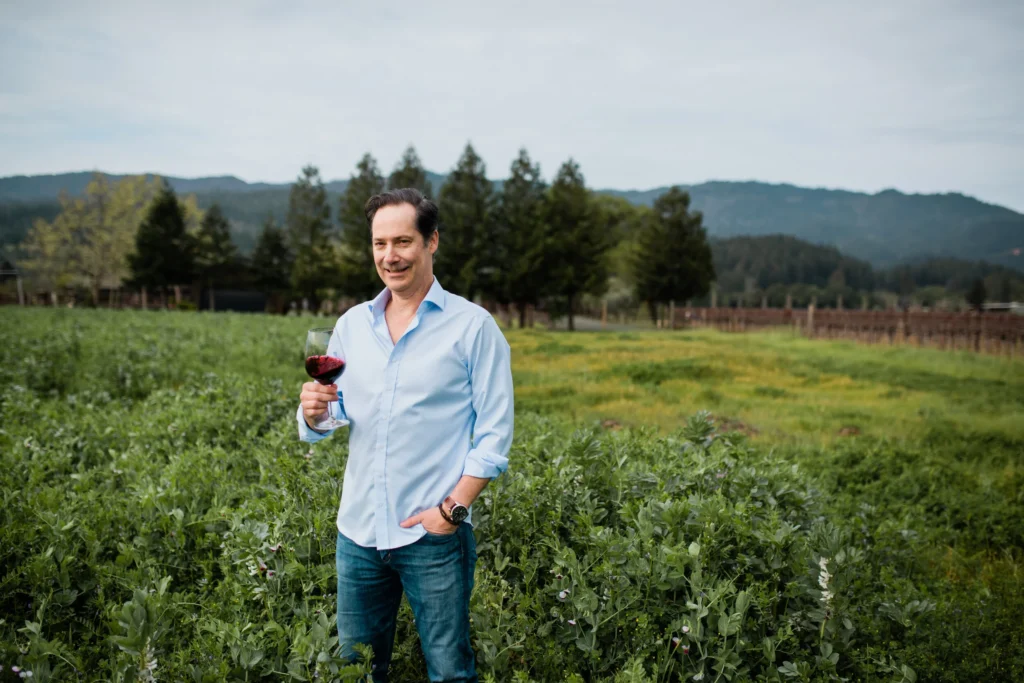
On the heels of the competition results, we thought it was a good time for a more expansive introduction to the winemaker behind our award-winning wines. Steve took time to chat with us while on vacation recently. Here’s a part of our conversation:
Q: What sparked your interest in wine?
A: It was just by happenstance. Being born and raised in Napa, I was surrounded by everything and everyone wine-related, but my family wasn’t involved with the wine business. When I went to school in San Diego, I studied genetics, but had an issue with my shoulder and had to head back home for surgery. While I was recovering from shoulder surgery, I started taking extension coursework from U.C. Davis, and enrolled in a viticultural associates program through the Napa Valley College. It’s this unique combination of science and art, and that’s what put it all together for me.
I had no master plan to pursue this as a career. It just fell in my lap. While I was in the viticulture program and doing extension course work, I started a job as a harvest temporary lab intern at Robert Mondavi, and realized this is actually something I would love to pursue.
Q: What was it about your internship at Mondavi that confirmed you were on the right path?
A: It was really an amazing group of mentors. Several winemakers there took me under their wing and spent time and helped guide me. When I was there in the 90’s and early 2000’s it was the place that winemakers who wanted to have a head start would want to be as an intern. It was my version of being at a university for winemaking. Mondavi had a full-time research department, which is extremely unique, especially in today’s times, where they employed four full- time researchers. Robert Mondavi was considered the preeminent vintner in the Napa Valley, and historically, he’s the most important person who’s ever been in Napa. Mondavi’s research was aimed at gaining incremental steps of quality. The exposure and access to the research that was happening was unparalleled. That perfectly tied into my general nature of being curious.
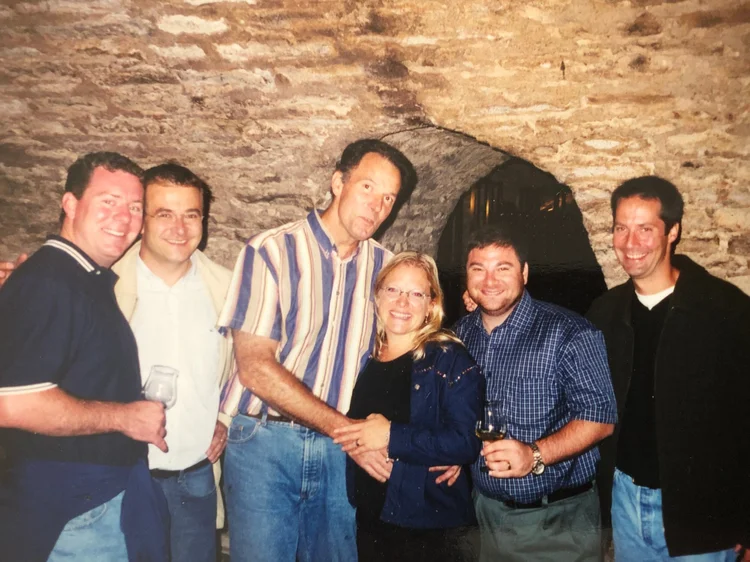
Q: How did you go from working with these preeminent wineries and then transition into consulting?
A: It was a natural progression. Mondavi was my training ground, and to this day, I learned more in my time at Mondavi than anywhere else. Chalk Hill was an opportunity where I could lead winemaking. I went from being part of the winemaking team at Mondavi to being the vice president of winemaking at Chalk Hill. It was the launching pad to explore and develop my own ideas outside of the constraints of trying to create a particular style of wine, or hitting a certain case target for a blend, or whatever it might be. Then I went to HALL, which was a newer brand in Napa. They had great resources and a strong commitment to doing things at the highest level. I had no constraints on dictating the wine style or direction. We did amazing things. The viticulture and the winemaking team, collaboratively, were able to put HALL into the limelight. But 10 years is a long time for any one given spot. I was in need of a new challenge, so consulting seemed like the logical next step.
In 2020, when I branched out, I had a few vineyards that I intended to make wine from and create my own brand. But in 2020, we had the fires in Napa. Meanwhile, I started consulting up in the Sierra Foothills and was fascinated by it. It’s very diverse in topography, elevation changes, aspects and the multitude of varieties that grow well here. I love the region and the people. Napa is pretty formal and buttoned up. In the foothills, you’re working with folks who don’t have that history of Napa. It’s been a great change of pace.
Q: What do you find satisfying about helping new winery owners find their footing in the business?
A: I think it’s just pre-wired in my DNA. Outside of winemaking, I love mentoring. I used to tutor science to nephews and nieces and friends’ kids. Whether it’s coaching sports, or education, or winemaking, I am passionate about mentoring others. It’s what I do. It’s an extension of what drives me.
Most importantly, I like to work with like-minded people, meaning they’re serious about doing things at a very high level. They are willing to take risks and willing to do things that are unorthodox for the benefit of quality. Also—as important as anything—they have to be good people. I choose to work with good people.
Q: How does wine become distinguishable between your clients?
A: The biggest driver is going to be the people. How do the people involved in the project really determine the outcome? I am the common denominator, and I have my own ideas of how to create the highest quality from any given vineyard. But my clients also have their own ideas of stylistic direction and what’s important to them.
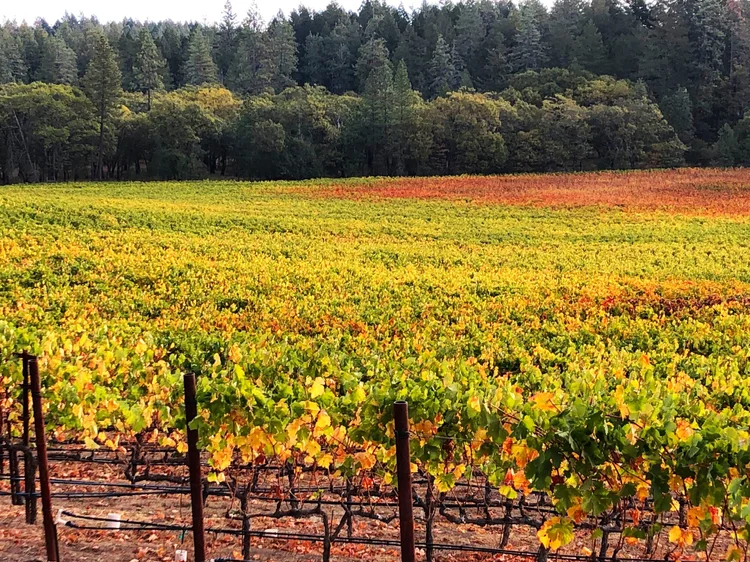
There’s definitely a common theme in the wine that I make in the Foothills, but all the wines have their own individual sets of personalities. The original storyteller of every wine is the vineyard. And I learned long ago that vintages are very different as well. So even within a given client, year over year, the wines are different, because I’m not trying to force the wine to be something that the vineyard and the year doesn’t want to be.
For us, we pick the grapes and spend a crazy amount of time sorting. We gravity feed, and then during fermentation, we’re monitoring and determining what we want to do for that vineyard block from that year, on that particular day in that particular tank. It’s a lot more work and mindfulness, and necessitates being an active part in creating greatness, rather than relying on a recipe.
Q: Does having an aptitude for science help your winemaking?
A: You don’t need science to make wine… until you need science to make wine. I try not to force science in the winemaking process. But I guarantee you, someone who’s blind to the science behind fermentation, biochemistry, microbiology, and basic chemistry is putting themselves at undue risk.
When something occurs that’s out of the ordinary, if you don’t have a strong background in science, you’re at the mercy of luck more than your ability to steer it in the right direction. So I think it’s absolutely integral. If you don’t know what the yeast are doing, or if there’s a slight stress signal and you don’t detect it— or maybe you pick up on it, but you don’t react to it — you’re going down a bad road.
However, I try to check my analytical hat at the door in any way during winemaking, because I realize it’s the artistry behind winemaking that helps interpret the vineyard’s personality. It’s human perception, it’s intuition.
Q: What does it take to stay in the business and succeed in it?
A: Whether you’re starting out, or you want to stay relevant, have a core understanding of who you are. That’s primary. You have to distinguish yourself as an entity, as a brand, and people want to know the personality behind the story and what motivates that person. Otherwise, why should someone buy your wine over your neighbor’s? Conveying that personal touch is paramount. Making exceptional wines, being relevant, having a story that connects, and then, most importantly, connecting with people.
New Wines and Wine Club Spring Release
We recently bottled our Marsanne, a white wine from the Rhône Valley of France, aged in neutral barrels for enhanced richness. It pairs well with salads, light pastas and seafood. It has become a team favorite, and we can’t wait for you to try it.
Stay tuned for details about our upcoming spring release. Club members can expect a new assortment our wines that are perfect for spring. We’ll share details via email and on social media.